How a Small Minnesota Town Made a Dog Their Mayor—and Kept Reelecting Him
The Election Nobody Saw Coming
If you've ever felt cynical about politics, the story of Cormorant, Minnesota might restore your faith—or at least give you a good laugh. This isn't a punchline from a late-night comedy show. It's a genuine slice of American democracy that's been unfolding for years in a town so small that most people have never heard of it.
In the 1990s, the residents of Cormorant faced a problem that plagues small communities everywhere: apathy. Town elections were drawing minimal interest, attendance at municipal meetings was sparse, and nobody seemed particularly invested in local governance. Rather than despair, the townspeople did what any creative community might do—they decided to make the whole thing fun.
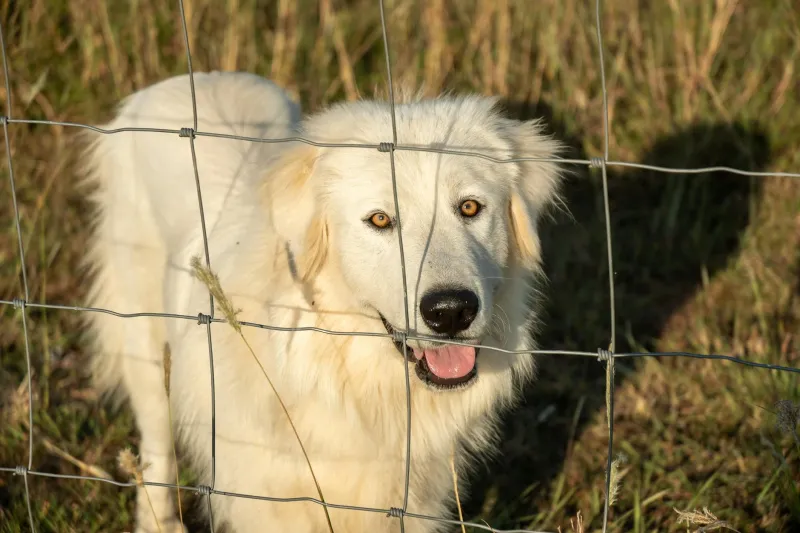
Someone nominated Duke, a gentle Great Pyrenees belonging to a local resident, as a write-in candidate for mayor. What started as a joke became something far more interesting: Duke won. Not by accident, not by a narrow margin, but by a genuine show of community support. The voters of Cormorant had spoken, and they'd chosen a dog.
A Mayor With Four Paws and Genuine Appeal
The beauty of Duke's political career lies in what it reveals about small-town values. In a landscape where politicians are scrutinized for scandals, flip-flopping, and broken promises, Duke offered something refreshingly different: unconditional reliability. He showed up. He didn't make campaign promises he couldn't keep. He had no hidden agenda, no special interests pulling his strings, and no controversial voting record to defend.
Duke's administration, if you can call it that, has been remarkably scandal-free. He hasn't been caught in any corruption schemes. He hasn't made any gaffes during public appearances. His approval ratings remain consistently high, which is more than most human politicians can claim.
What makes Duke's tenure particularly remarkable is that Cormorant residents didn't treat this as a one-time novelty. When it came time for reelection, Duke ran again—and won again. Multiple times. This wasn't a protest vote that faded with time. It was a sustained expression of community preference, a collective decision that Duke, in his own way, represented what they valued in local leadership: loyalty, presence, and an absence of pretense.
The Deeper Meaning Behind the Fur
On the surface, electing a dog as mayor seems absurd. But dig deeper, and you'll find something more interesting: a community that had grown tired of traditional politics and decided to reclaim their civic process with humor and authenticity. Cormorant's voters weren't making a mockery of democracy—they were participating in it enthusiastically, just on their own terms.
The story also highlights something genuinely American about small towns: the freedom to be weird, to do things differently, to opt out of conventional expectations. In a nation obsessed with what larger cities are doing, what national trends dictate, and what the media tells us to think, Cormorant simply decided that their mayor could be a dog. And nobody could stop them.
Local officials and state representatives didn't intervene. Duke's election was legal, legitimate, and backed by genuine community support. In fact, the story has become something of a point of pride for the township. It's the kind of tale that puts Cormorant on the map—literally and figuratively—in a way that conventional politics never could have.
What Duke's Administration Actually Accomplished
Here's where the story gets even more interesting: Duke didn't just serve as a ceremonial figurehead. His presence actually achieved what the townspeople had originally hoped for—increased civic engagement. The novelty of having a dog mayor brought attention to local government. People who'd previously ignored town meetings suddenly showed up, curious to see what would happen next.
Duke's elections became community events. People discussed local issues more openly, participated more actively, and developed a renewed sense of ownership over their township's future. In a strange way, Duke's administration was a resounding success, even if his actual duties were limited to existing and occasionally appearing at public functions.
The story of Duke's political career offers a peculiar kind of hope. It suggests that democracy can still surprise us, that communities can still find creative solutions to real problems, and that sometimes the most effective way to engage people in civic life is to do something so delightfully unexpected that they simply can't look away.
In Cormorant, Minnesota, a dog became mayor not because the town had given up on politics, but because they'd decided to have fun with it. And in doing so, they created something far more memorable than any conventional election could have produced: a genuine American story that sounds too strange to be true—but absolutely is.