The Soldier Who Died Twice and Lived to Tell About It
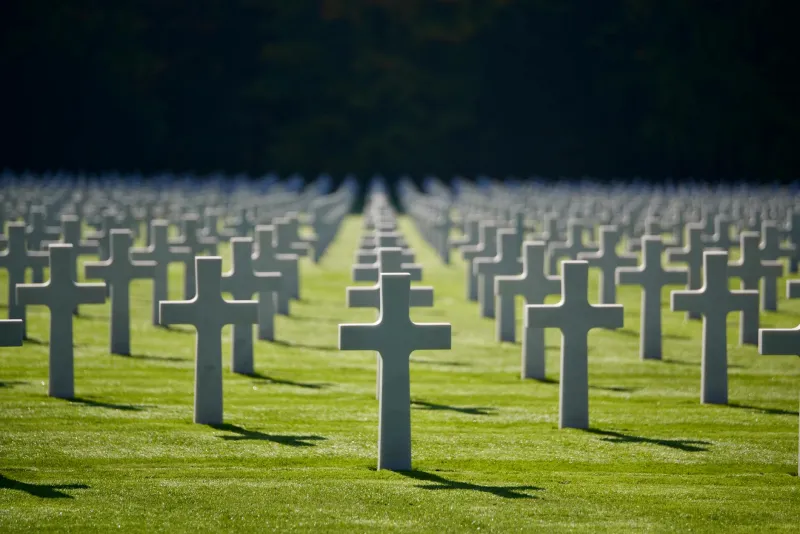
The Day Private Thompson Died (But Didn't)
July 3, 1863, was a bad day to be a Union soldier at Gettysburg. It was an especially confusing day to be Private James Thompson of the 15th Ohio Infantry, who took a Confederate bullet to the shoulder and woke up officially dead.
Not dead in the usual sense—Thompson was very much alive, bandaged, and complaining about the field hospital food. But according to U.S. Army records, Private "Tompson" (note the missing 'h') had been killed in action during Pickett's Charge and was already being prepared for burial with full military honors.
The Clerical Error That Created a Ghost
The mix-up began with a harried Army clerk trying to process hundreds of casualties in a single day. When Thompson was brought in wounded, someone wrote his name as "Tompson" on the casualty list. When another soldier with similar injuries died later that evening, the overwhelmed medic assumed it was the same man and marked "Tompson" as deceased.
By the time Thompson recovered enough to protest that he was very much alive, "Tompson" had already been buried in the Gettysburg National Cemetery with a proper headstone and everything. The living Thompson was told not to worry about it—the Army would sort out the paperwork eventually.
They never did.
Two Lives, Two Deaths, Two Graves
Thompson returned to his farm in Ohio after the war, married his sweetheart, raised six children, and lived a perfectly normal life until his actual death in 1907. He occasionally mentioned the mix-up to friends and family, but figured the government had more important things to worry about than one misspelled name.
Meanwhile, the grave of "Private Tompson" became a minor pilgrimage site for Civil War enthusiasts. Local veterans' organizations regularly placed flowers on the headstone. The Grand Army of the Republic included "Tompson" in their annual memorial ceremonies. The dead soldier who wasn't dead was becoming more famous than the living farmer who wasn't officially alive.
The Memorial Society's Good Intentions
In 1912, five years after the real Thompson's death, the Ohio Veterans Memorial Society decided to honor their state's Civil War heroes by placing markers on every soldier's grave. When they reached Thompson's actual burial site in rural Ohio, they found a problem: according to their records, this James Thompson had never served in the military.
The helpful volunteers assumed this was another clerical error. Clearly, this unmarked grave belonged to a forgotten Civil War veteran who deserved recognition. They installed an official military marker, complete with Thompson's correct spelling and service record, turning him into an officially recognized veteran.
Now there were two graves, two headstones, and two official military markers for the same man—one who had "died" at Gettysburg and one who had actually died in Ohio.
The Bureaucracy That Wouldn't Quit
For the next century, both graves received regular maintenance from the U.S. government. The Department of Veterans Affairs dutifully cleaned both headstones, replaced flowers, and included both "soldiers" in official casualty counts. Memorial Day ceremonies honored both men. Genealogy researchers occasionally noticed the discrepancy but assumed they were dealing with two different people who happened to share similar names and service records.
The situation might have continued indefinitely if not for a obsessive Civil War researcher named Margaret Collins, who spent her retirement years cross-referencing military records with cemetery databases. In 1998, she noticed something odd: two soldiers with nearly identical service records, similar names, and the same hometown, but different death dates and burial locations.
The Great Revelation
Collins spent three years unraveling the mystery, tracking down descendants, comparing military records, and even examining the original casualty lists from Gettysburg. Her conclusion was inescapable: the U.S. government had been maintaining two graves for the same man for 135 years.
The revelation created a minor bureaucratic crisis. Which grave was "real"? Which headstone should be removed? How do you un-honor a soldier who was never actually dead? The Department of Veterans Affairs formed a committee to study the situation, which took another five years to reach a decision.
The Solomon's Choice Solution
In 2006, the VA reached a uniquely American compromise: they would maintain both graves indefinitely. The Gettysburg marker would remain as a memorial to "the unknown soldier who died in Private Thompson's place," while the Ohio grave would honor Thompson himself. Both sites would continue receiving official recognition and maintenance.
The decision satisfied no one and everyone simultaneously. Historians complained about the logical inconsistency. Veterans' groups appreciated the respect shown to both the living and the dead. Taxpayers grumbled about the cost of maintaining two graves for one person.
The Immortal Private
Today, visitors can pay their respects to James Thompson at two different locations: the Gettysburg National Cemetery, where he "died" but was never buried, and a quiet Ohio churchyard, where he actually rests but was never supposed to be officially recognized.
It's a fitting memorial to the chaos of Civil War record-keeping and the persistence of government bureaucracy. Private Thompson managed to achieve something no other soldier in American history has accomplished: he died for his country and lived to tell about it, all while being officially honored in two places at once.
Sometimes the most unbelievable stories are the ones hidden in plain sight on government paperwork.