When Democracy Got Whiskers: The Alaskan Town That Made a Cat Their Political Leader
The Write-In That Changed Everything
Sometimes democracy takes the most unexpected turns. In 1997, the residents of Talkeetna, Alaska faced a mayoral election that left them completely uninspired. The human candidates running for office seemed so lackluster that voters decided to make a statement that would echo through political history for the next 20 years.
They elected a cat.
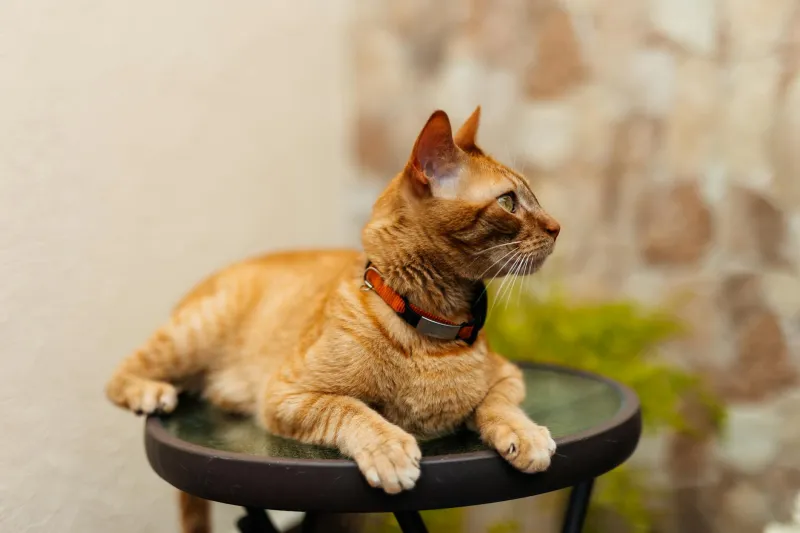
Not just any cat—a fluffy orange tabby named Stubbs, who was barely three months old when he first took "office." What began as a collective eye-roll at the political process became one of the most enduring and beloved leadership stories in American small-town politics.
A Kitten Walks Into Politics
Stubbs didn't campaign for the position. He didn't even know he was running. The residents of this 900-person community simply wrote his name on their ballots as a form of protest voting, figuring that even a house pet would be preferable to the available human options.
The beauty of Talkeetna's situation was that it technically didn't need a real mayor anyway. As an unincorporated community, the town operated without formal municipal government. This legal gray area meant that Stubbs's election, while unofficial, couldn't be challenged on constitutional grounds.
What nobody expected was how seriously everyone would take their feline leader.
Running City Hall From a General Store
Stubbs established his "office" at Nagley's General Store, where he would hold court daily from his perch near the front counter. Tourists began making pilgrimages specifically to meet the cat mayor, turning what started as a local joke into a legitimate economic driver for the community.
The store became an unofficial city hall, complete with business cards featuring Stubbs's photo and the title "Honorary Mayor." Visitors could find him there most days, either napping in a cardboard box or surveying his domain from atop the counter. His political platform was refreshingly simple: naps, treats, and the occasional friendly head bump.
Local business owner Lauri Stec, who cared for Stubbs, became his unofficial chief of staff, handling his correspondence and managing his surprisingly busy schedule of photo ops and interviews with national media outlets.
The Politics of Purring
What made Stubbs's tenure remarkable wasn't just its length—nearly two decades—but how genuinely beloved he became. Unlike human politicians, Stubbs never made campaign promises he couldn't keep, never got caught in scandals, and maintained consistent approval ratings that would make any elected official jealous.
His political philosophy was straightforward: be present, be approachable, and don't create unnecessary drama. These qualities resonated so strongly with residents that multiple attempts to run human candidates against him failed spectacularly.
Stubbs survived several challenges during his time in office, including a dog attack that required surgery and a fall into a restaurant's fryer (he recovered fully from both incidents, proving his political resilience extended to physical resilience as well).
Tourism Meets Democracy
The cat mayor phenomenon transformed Talkeetna into an unlikely tourist destination. Visitors from around the world would stop by Nagley's General Store specifically to meet Stubbs, generating significant revenue for local businesses. The town embraced its unusual claim to fame, creating Stubbs-themed merchandise and incorporating his story into their tourism marketing.
This economic impact demonstrated something profound about voter dissatisfaction and creative solutions. What began as a protest vote became a genuine civic institution that served the community better than traditional political structures might have.
Stubbs received thousands of pieces of fan mail from around the globe, including official correspondence from other mayors and political figures who admired his no-nonsense approach to leadership.
The End of an Era
Stubbs passed away in 2017 at the age of 20, having served longer than most human politicians ever dream of. His death made national news, with obituaries appearing in major newspapers and tributes pouring in from political figures and ordinary citizens alike.
The question of succession revealed just how seriously the community took their unusual democratic experiment. Rather than immediately appointing another cat, residents engaged in genuine discussions about what Stubbs's legacy meant and how to honor it moving forward.
What Democracy Looks Like When It Gets Creative
Stubbs's story reveals something important about American political frustration and the creative ways communities solve their problems. When traditional candidates fail to inspire, sometimes democracy finds its own path forward.
The cat mayor of Talkeetna proved that effective leadership isn't always about policy positions or campaign promises. Sometimes it's about consistency, accessibility, and giving people something to believe in—even if that something has whiskers and prefers catnip to campaign contributions.
In a political landscape often characterized by division and disappointment, Stubbs offered something different: a leader who brought people together simply by being authentically himself. That's a lesson that transcends species.