Bureaucracy's Ultimate Plot Twist: The Living Woman Who Had to Sue the Government to Stop Being Dead
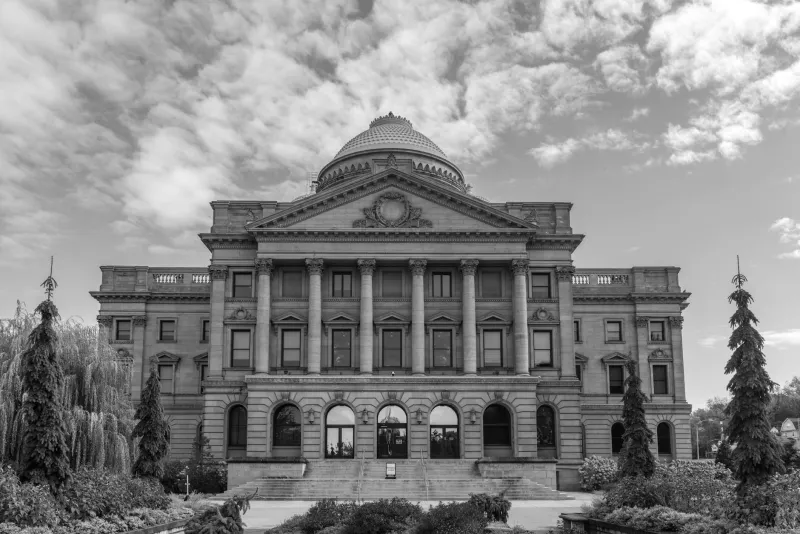
The Day the Government Killed Someone by Accident
Margaret Collins was having a perfectly ordinary Tuesday morning in rural Zanesville, Ohio, when the mailman delivered news that would have been devastating—if it weren't so absurd. According to the official letter from the county records office, she had died three days earlier.
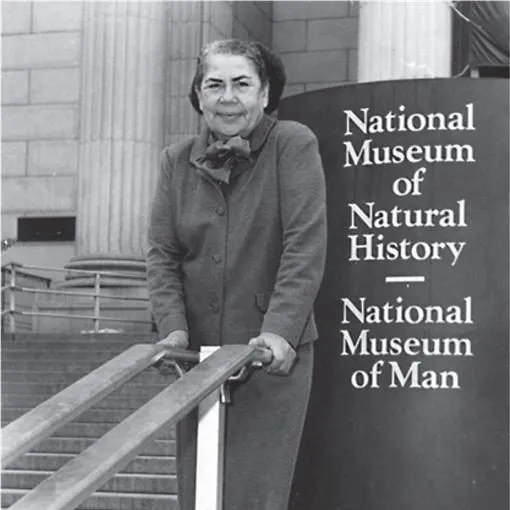 Photo: Margaret Collins, via onwildlife.org
 Photo: Zanesville, Ohio, via farm2.staticflickr.com
The problem was immediately obvious to Margaret: she was very much alive, reading the death notification with her own living eyes while drinking coffee in her kitchen.
What she didn't know was that this wasn't just a simple paperwork mix-up. Her official death had already triggered a cascade of legal and financial consequences that would take years to untangle—and some that never could be.
When Death Certificates Go Rogue
The mistake traced back to a overwhelmed clerk at the Muskingum County courthouse who had been processing a backlog of death certificates from the particularly harsh winter of 1937. Margaret Collins of Rural Route 3 had been confused with Margaret Rollins of Rural Route 8, who had actually died from pneumonia.
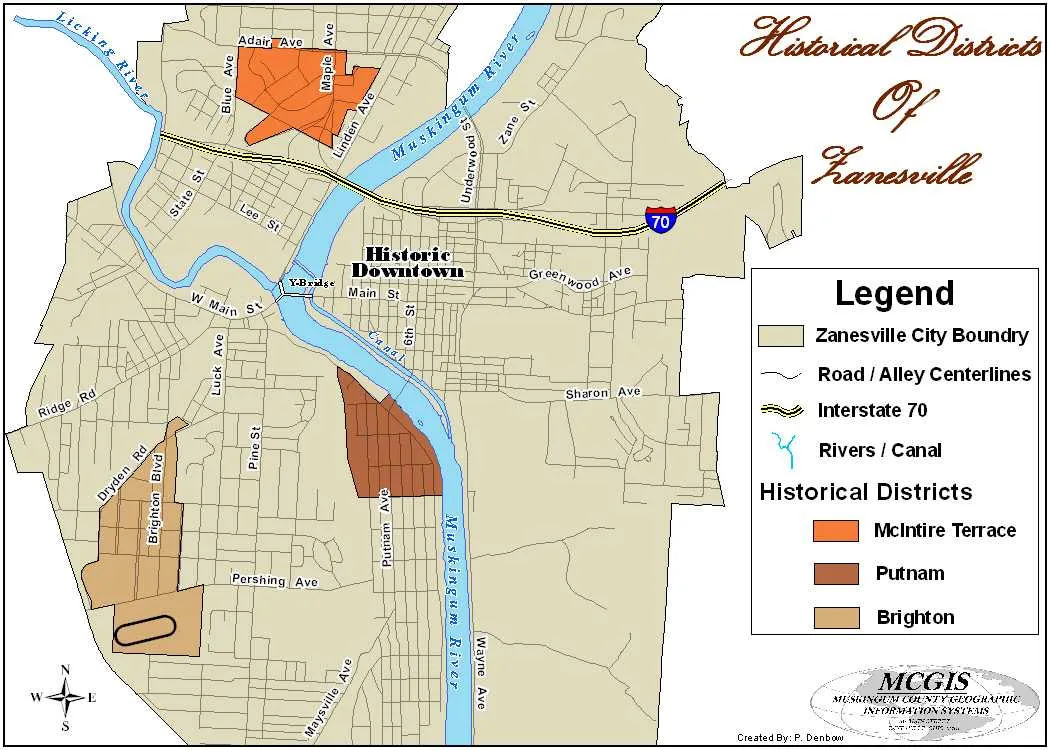 Photo: Muskingum County, via www.muskingumcountyoh.gov
One transposed letter in a surname, one misread address, and suddenly the wrong Margaret was officially deceased in the eyes of Ohio law.
By the time Margaret Collins received her death notification, the wheels of bureaucracy had already begun turning. Her husband Frank had been contacted by their insurance company about collecting the $2,000 life insurance policy—a substantial sum in Depression-era Ohio.
The Husband's Terrible Decision
Frank Collins faced an impossible choice. His wife was obviously alive, but the insurance company was offering immediate payment based on the official death certificate. Times were hard, money was scarce, and the insurance agent assured him they could "sort out the paperwork later."
Frank made the fateful decision to accept the payout, figuring the error would be quickly corrected once Margaret appeared in person at the county office.
He was catastrophically wrong.
The Government's Kafkaesque Response
When Margaret marched into the courthouse demanding to be restored to the living, she encountered a bureaucratic wall that seemed designed by someone with a sense of humor darker than Edgar Allan Poe's.
The county clerk explained that while they could clearly see she was alive, the death certificate had been properly filed and processed according to Ohio law. Reversing it would require a court order, but Ohio courts had no established procedure for "un-dying" someone.
The probate judge was sympathetic but legally helpless. "Mrs. Collins," he explained, "you are simultaneously the most alive dead person and the most dead living person I've ever encountered. Unfortunately, the law recognizes only your dead status."
The Legal Nightmare Deepens
Margaret's resurrection attempt revealed a stunning gap in American jurisprudence. Every state had detailed procedures for declaring people dead, but none had considered what to do when death certificates were issued in error.
Meanwhile, her legal death created daily complications that bordered on surreal. Banks froze her accounts. The Social Security Administration stopped recognizing her existence. The post office began returning her mail marked "addressee deceased."
Most bizarrely, when Margaret tried to vote in the 1938 midterm elections, poll workers turned her away because dead people couldn't cast ballots—even when the dead person was standing right in front of them, very much alive and demanding her constitutional rights.
The Insurance Company's Brilliant Defense
When Margaret sued to recover the insurance money Frank had collected, the company's lawyers deployed an argument so twisted it was almost admirable. They claimed that since Margaret was legally dead, she had no standing to challenge the payout. Dead people, they argued, couldn't file lawsuits.
The case created a legal paradox worthy of philosophy textbooks. If Margaret was alive enough to sue, then the death certificate was wrong and the insurance payment was fraudulent. But if the death certificate was valid, then Margaret couldn't challenge it because dead people have no legal rights.
The Solution That Solved Nothing
After three years of legal wrangling, Ohio legislators finally passed emergency legislation creating a procedure for correcting erroneous death certificates. Margaret Collins became the first person in American history to be officially "un-died" by court order.
But the victory was pyrrhic. The insurance company had spent the $2,000 fighting the case, Frank had spent their savings on legal fees, and Margaret had lost three years of her life proving she was alive.
The new law came too late to help Margaret financially, but it did prevent future bureaucratic resurrections from becoming quite so nightmarish.
The Loophole That Lingered
Margaret Collins died for real in 1963—twice, according to official records, since her 1937 death certificate was never technically invalidated, only superseded.
Her case exposed a fundamental flaw in how American bureaucracy handles its own mistakes. Even today, several states lack clear procedures for correcting death certificates, meaning Margaret's Kafkaesque nightmare could theoretically happen again.
The Margaret Collins case is still cited in law schools as the perfect example of how rigid bureaucracy can create situations so absurd they become almost poetic. Sometimes being right isn't enough—especially when the government insists you're wrong about being alive.